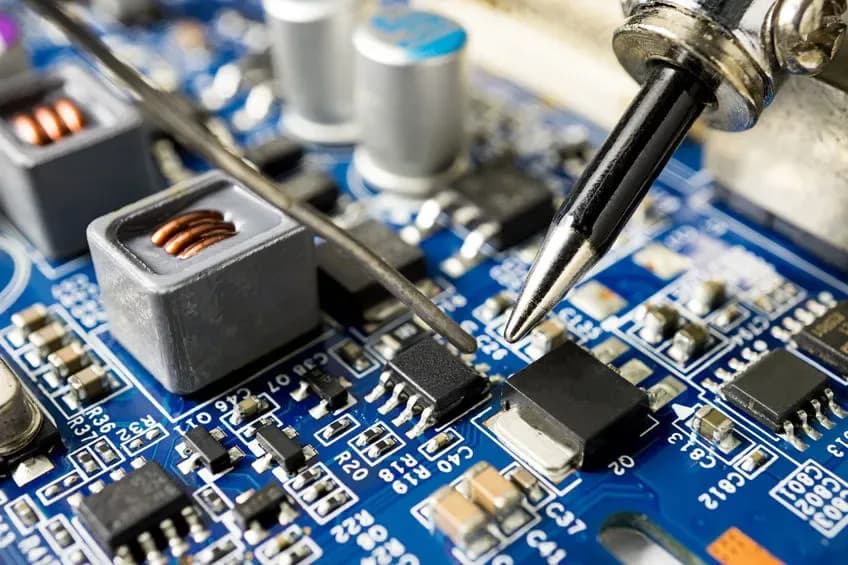
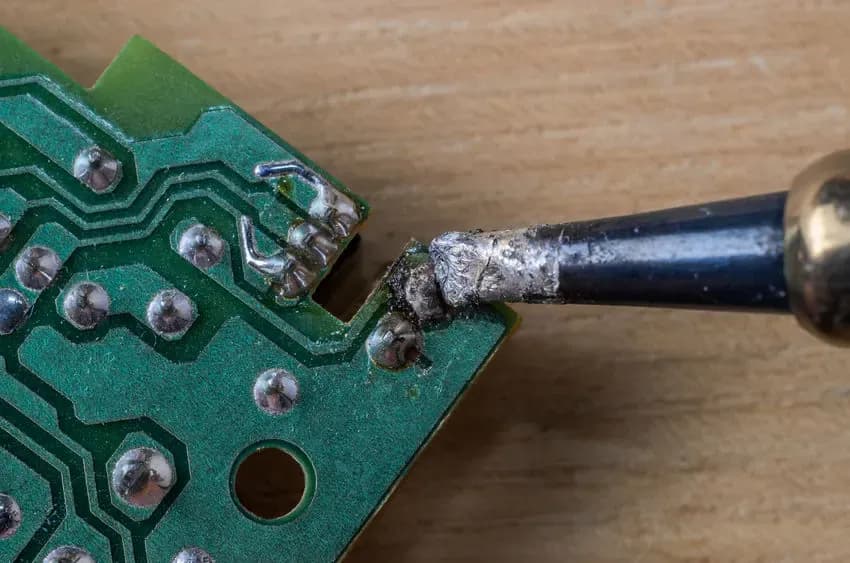
Poor soldering tip maintenance is a common culprit in most soldering issues. Most of which is caused by a heavy buildup of oxidation on the soldering iron tip’s surface. A bad tip is unable to perform an effective heat transfer to the connection point, which then affects the final product in the assembly line.
As an electronics manufacturer, your primary objective is to make sure that you have a competent workforce that maintains high-quality workmanship. To ensure that, the soldering equipment needs to be properly maintained. Though soldering tips wear out over time, eventually needing replacement, there are steps that can help extend their life. Enrolling your core manufacturing staff for a soldering course in a top electronic training institute would also help tremendously.
On that note, let’s discuss what causes oxidation, how to remove it, and how to prevent it.
Causes Of Oxidation In Solder Tips
Oxidation is a direct result of the soldering iron tip’s iron plating turning into iron oxide, and when that happens, the tip loses its wetting ability. This makes the solder ball up on the tip instead of flowing smoothly.
How to Remove Mild Oxidation
- Set the soldering iron’s temperature between 250 °C and 300 °C (Typical work range)
- Apply flux-cored solder on the oxidized tip. Once the flux is activated, it starts a chemical reaction that removes the oxidation.
- Clean the tip with a brass wool or automatic tip cleaners
- Repeat the steps above until the tip is visibly clean
- If the tip is still not clean after this process, move on to the next step.
How to Remove Severe Oxidation
A tip that has been severely oxidized will need more than flux to restore its wetting capability. A tip tinner or chemical paste gets the job done. Abrasive tools like sandpaper are not advisable because they can damage the soldering tip’s plating. Remove severe oxidation with Tinner using the following steps:
- Like with mild oxidation, the soldering iron’s temperature needs to be set between 250 °C and 300 °C
- Once the typical work range temperature is reached, push the soldering iron tip into the tinner, making sure that it covers the entire tip.
- Wait until the tinning product melts around the tip, then clean it with a brass wool or any other tip cleaner
- Repeat the steps above until the tip is clean; all the oxidation is removed
How to Prevent Oxidation
- Always apply a fresh solder with a high amount of flux core to the tip before putting it away for storage
- Regularly clean the solder tip with a damp sponge or a wire cleaner
- Make sure to set the soldering iron to the proper temperature that is appropriate for the solder type and application. Excessive heat will create oxidation buildup on the tip, shortening its life
- You don’t need to clean the black flux residue on the tip, as it does not affect soldering performance at all
Conclusion
Applying proper soldering tip care can help prevent oxidation and prolong the service life of a soldering iron. This and other electronics manufacturing best practices will help you maintain the workmanship quality of your manufacturing staff. Which is why enrolling the key members of your staff in an electronic training institute that offers a structured approach to training courses, such as a soldering course, will go a long way towards improving the productivity and profitability of your organization.
Contact Blackfox today at (888) 837-9959 or at sharonm@blackfox.com.