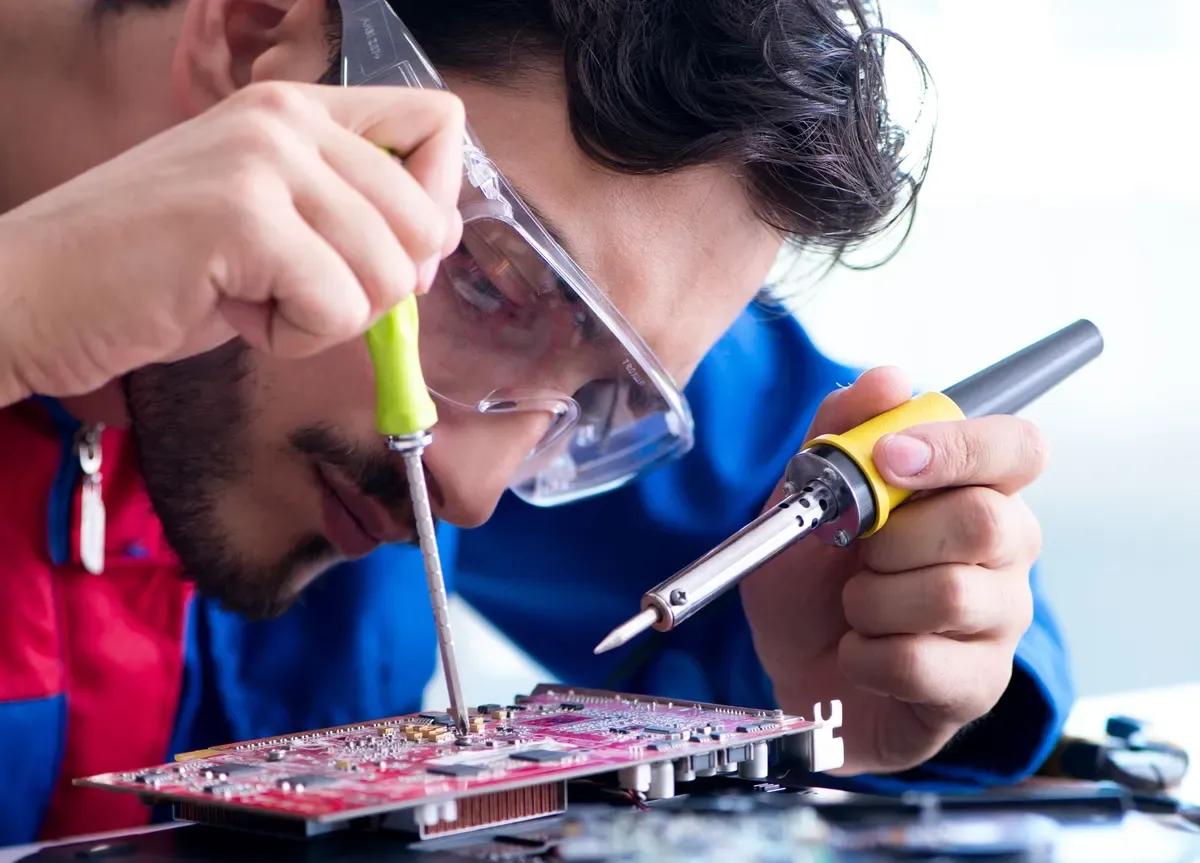
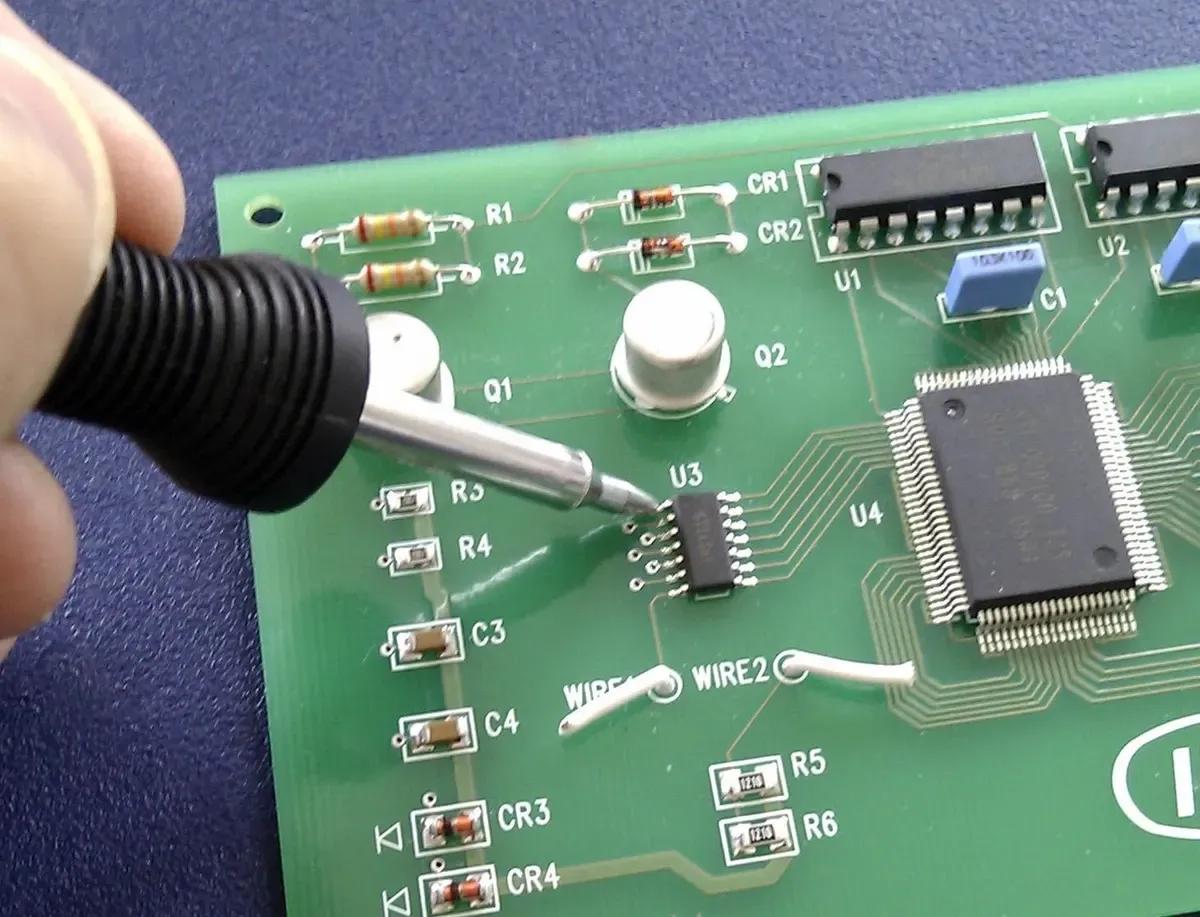
In an IPC J-STD-001 class offered by an electronic training institute, students train to become familiar with everything required to produce and inspect high-quality soldered connections. They also learn about the two most common types of solder, which are lead, and lead-free.
This article will discuss what each of these solders is, their uses, and how a soldering course can help students learn to make the most out of them.
What Is Lead Solder?
Also known as SNPB Solder, Lead-based solder is a metal alloy composed of 60 percent tin and 40 percent lead. When you look at a spool of leaded solder, the numbers next to Sn and Pb, like Sn63/Pb37, indicate how much tin and lead is in that solder. This type of solder has a melting point of around 360 degrees Fahrenheit.
When students first start to learn to solder in an electronic training institute, they typically use lead solder to practice various techniques for soldering components onto Printed Circuit Boards (PCBs) or wires. This is because lead solders are easy to use and are highly dependable in establishing a durable connection.
The only drawback of using leaded solders is its negative effect on health, and the environment, caused by their fumes that are considered toxic when inhaled. This is one of the main drivers of lead-based solder’s continued phase-out, particularly in Europe and Asia.
What Is Lead-Free Solder?
As its name suggests, lead-free solder is the complete opposite of its lead-based counterpart. Instead of lead, it contains other metals like copper, silver, indium, zinc, bismuth, antimony, tin, or nickel. Compared to leaded solders, lead-free solder has a much higher melting point, sitting around 422 degrees Fahrenheit.
Due to lead toxicity, many European and Asian countries have either banned or restricted the use of lead in the manufacture of consumer electronics. In 2006, the European Union adopted the Restriction of Hazardous Substances (RoHS), which prohibits hazardous substances in all electrical and electronic equipment to protect public health and the environment.
Which Solder Should I Use?
Because of its lower melting point and faster cooling times, many still prefer lead solder. As mentioned earlier, they are much easier to use, which decreases the chances of cold solder joints occurring. Moreover, lead solder flows quite well. For beginners to soldering, lead solder is often recommended as it causes fewer quality problems with the joints.
On the other hand, you should opt for lead-free solder if your government prohibits the use of lead solder. Currently, the US doesn’t have any restrictions on lead-containing solders in electronics. However, manufacturers should consider this, especially if they’re planning to sell their products to European countries or in any country where lead solder is banned.
Aside from its RoHS compliance, lead-free solder’s key advantage over lead solders is its ability to avoid rapid stencil wear and spreading during the reflow process. In the end, if both options are available, it all comes down to the particular soldering task, as each type of solder offers its unique set of benefits.
Conclusion
Lead solder comes with many benefits for electronic manufacturing, but times are changing, and the electronics manufacturing sector is gradually shifting towards lead-free electronics. As this total shift to a safer soldering method becomes inevitable, students should learn to use both types of solder. Knowing how to use each type of solder allows them to quickly adapt to what the project demands regarding the soldering approach.
Choose a credible electronic training institute that offers a soldering course where students can learn how to use lead or lead-free solder depending on what tasks your company requires. For more information, contact Blackfox at (888) 837-9959 or at sharonm@blackfox.com.