IPC certification levels: CIS, CIT and MIT. What is the difference?
What each level allows you to do, who it is for, and how to earn it.
Certification level
The IPC certification for the people who build and inspect. Certify operators, technicians and inspectors to IPC-A-610, J-STD-001, IPC/WHMA-A-620, IPC-7711/7721, IPC-A-600 or IPC-6012.
In short
A Certified IPC Specialist (CIS) has passed IPC’s exam for one standard and is qualified to work and inspect to it. It is the level most operators, technicians and inspectors hold, the one customers and auditors usually ask for, and the starting point for every other level.
CIS stands for Certified IPC Specialist. It is the level of IPC certification that applies a standard: a CIS solders, assembles, reworks or inspects to the criteria the standard sets, and can tell a target condition from an acceptable one, a process indicator and a defect for the class of product being built.
Each CIS certificate covers one standard, and on the modular programs only the modules you passed. Somebody who solders wires and through hole parts can certify to those modules of J-STD-001 without taking the surface mount module. The certificate is issued by IPC to the person, carries a traceable certificate number, and stays with you if you change employer.
Not under that name. In IPC’s program the operator’s credential is CIS, and there is no separate IPC certificate for operators. When a job posting or a customer asks for IPC operator training, it almost always means CIS on the standard that matches the work: J-STD-001 for soldering, IPC-A-610 for inspection, IPC/WHMA-A-620 for cable and harness.
Blackfox also runs its own operator level courses in soldering, mechanical assembly, component recognition and ESD. They build the hands-on skill behind the standard and carry a Blackfox certificate rather than an IPC one.
By program
Six standards, each certified on its own. The length is the usual CIS course; modular programs run shorter when you take fewer modules.
| Program | CIS courseTypical length | Live online | Recertification |
|---|---|---|---|
| IPC-A-610 | 3 days | Available | 2 days |
| IPC J-STD-001 | 4 days | Module 1 only | 2 to 3 days |
| IPC/WHMA-A-620 | 3 days | Available | 2 days |
| IPC-7711/7721 | 4.5 days | Not offered | 2 days |
| IPC-A-600 | 2.5 days | Available | On request |
| IPC-6012 | 3.5 days | Available | On request |
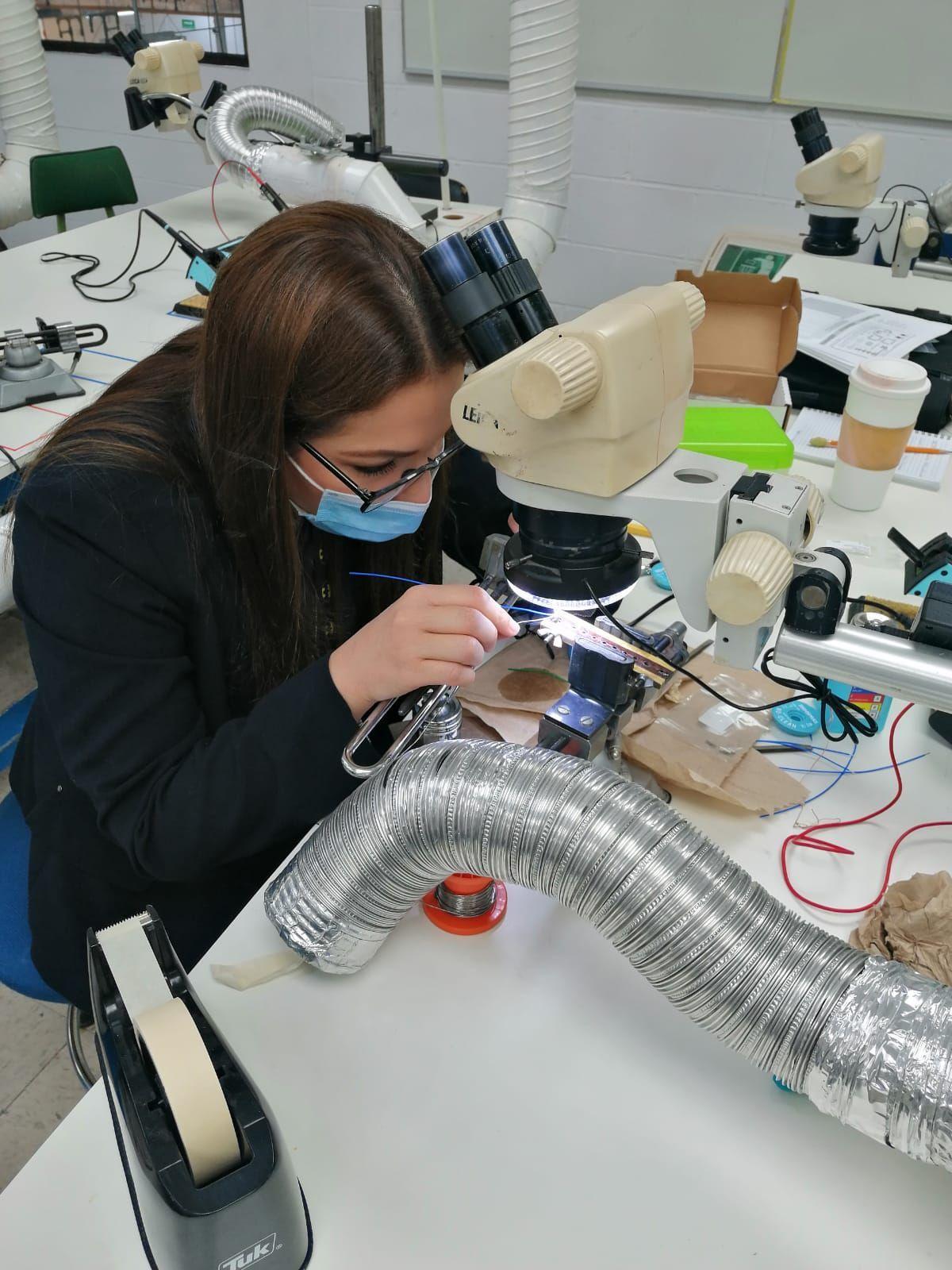
J-STD-001 and IPC-7711/7721 are hands on, so their soldering and rework modules are taught at a bench, at a center or at your facility.
Scope
CIS is about applying the standard. Interpreting it for other people and certifying other people are separate levels.
How it works
One standard, one course and its exams. If you are not sure which standard your team needs, tell us what they build and inspect.
Questions
Certified IPC Specialist. It is the level of IPC certification for people who apply a standard in their work: operators, technicians, assemblers and inspectors. The other levels are CSE, Certified Standards Expert, for engineers who interpret the standard, and CIT, Certified IPC Trainer, for people who certify specialists inside their own company.
Between 2.5 and 5 days, depending on the standard and the modules. IPC-A-600 runs 2.5 days, IPC-A-610 and IPC/WHMA-A-620 run 3 days, IPC-6012 runs 3.5 days, J-STD-001 runs up to 4 days and IPC-7711/7721 up to 4.5 days. The modular programs run shorter when you take fewer modules.
For IPC-A-610, IPC/WHMA-A-620, IPC-A-600 and IPC-6012, yes. The class is taught live online by a Master IPC Trainer in English or Spanish, and the exam is taken on IPC EDGE 2.0 under remote proctoring. For J-STD-001 only module 1 is online, because the soldering modules are done at a bench, and IPC-7711/7721 is hands on throughout.
Yes. On IPC-A-610 and J-STD-001 the CIS written exam is open book and passed at 70% or better. Modules that involve bench work add a practical exam, graded against the standard. One retake is included, and each course page lists what applies to that program.
Yes, after 24 months. To stay certified, take the recertification course for your program before the certificate expires. It reviews what changed in the current revision and ends with the exams. Recertification runs for IPC-A-610, J-STD-001, IPC/WHMA-A-620 and IPC-7711/7721, and on request for IPC-A-600 and IPC-6012.
Not formally, but we recommend it. The CIT course assumes you already work to the standard every day, and candidates without that background usually struggle with the taught presentation.
Read more
Longer reads on which standard and which level fit which role.
What each level allows you to do, who it is for, and how to earn it.
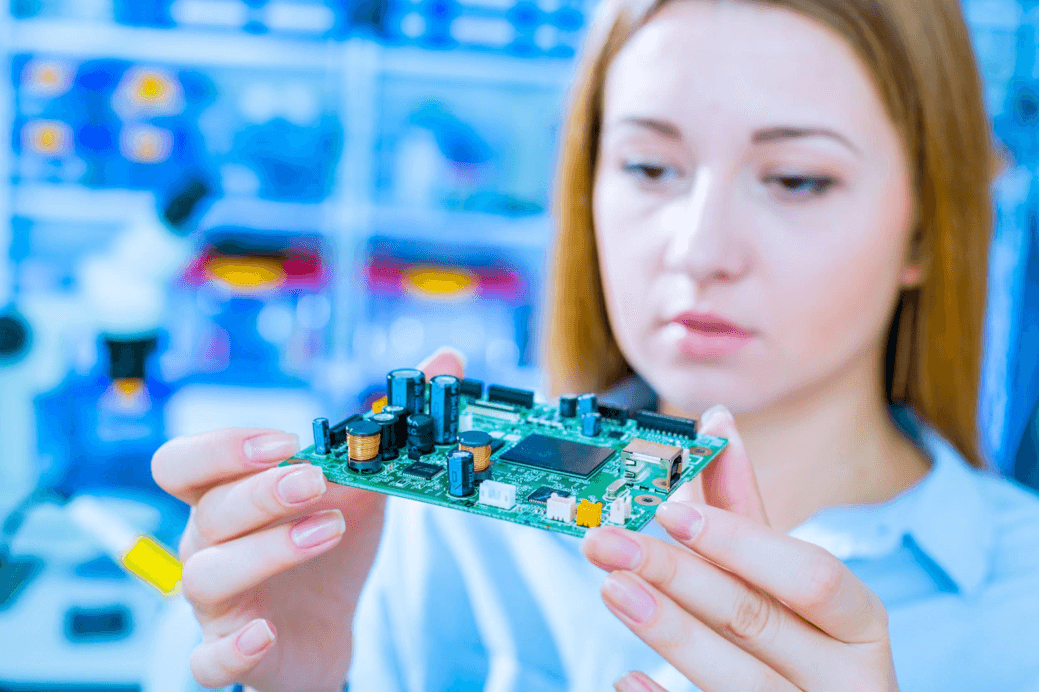
Matching the training and the level to the work your team actually does.
New technologies emerge rapidly in the electronics manufacturing industry, and components are constantly becoming smaller and more complex. To remain competitive and thrive in this environment, upskilling is a necessity. One of the most effective ways to achieve this is by…
Next step
Tell us what your team builds and inspects, and we will match it to the standard, the modules and a date.
Request a quote