CIS
Certified IPC Specialist
Solder and inspect to the standard. For operators, technicians and inspectors on the floor.
- Prerequisite Basic soldering skills and manufacturing experience
- Typical length 4 to 5 days
- Valid Two years
IPC Authorized Training Center
Certify your solderers to IPC J-STD-001 at CIS, CSE or CIT level, and close the gaps around it with hands-on lead free, high temp and customizable soldering. Train at a center, live online, or at your own facility.
A soldering certification is a credential that shows a person can make and judge a soldered connection the way the rest of the electronics industry does. In practice that means IPC J-STD-001, the standard that sets the materials, methods and acceptance criteria for soldered electrical and electronic assemblies. It is the soldering credential IPC issues, and it is usually what a customer, a prime or an auditor means when they ask for certified solderers.
J-STD-001 covers wire and terminal assembly, through hole and surface mount soldering including fine pitch, bare board damage, conformal coating, encapsulation and staking adhesives, and inspection to Class 3 requirements. Certification is awarded on a written exam and on hands-on assessment at the bench, so it tests the work and not only the reading.
Not every soldering skill belongs inside a certification. High melting point alloys, a lead free conversion, and the specific joints on your own assemblies are process problems. We teach those as separate hands-on courses that sit alongside the certification rather than inside it.
Blackfox is an IPC Authorized Training Center and has been training to these standards since 1996. Every course is led by a Master IPC Trainer, and the same acceptance criteria are used at all six of our training centers, in live online classes, and when an instructor teaches at your own facility.
Certification levels
Three levels, one standard. The level decides what you are allowed to do with J-STD-001: solder and inspect to it, interpret it, or teach it to other people inside your company.
CIS
Solder and inspect to the standard. For operators, technicians and inspectors on the floor.
CSE
Interpret the standard and answer questions about intent. For process, quality and manufacturing engineers.
CIT
Train and certify CIS candidates inside your own company. For internal trainers and quality leads.
Courses
One certification and three hands-on courses. The certification proves the standard. The others close a specific gap in your process.
| Course | What it covers | Typical length | Certification |
|---|---|---|---|
| IPC J-STD-001 | Materials, methods and acceptance criteria for soldered electrical assemblies | 4 to 5 days | IPC certification, CIS, CSE and CIT |
| Lead Free Soldering | Process, temperature and reliability differences of lead free alloys | One day | Blackfox certification, Operator level |
| High Temp Soldering | High melting point alloys, the joints they make and the defects they produce | One day | Blackfox certification, Operator level |
| Customizable Soldering | Hand soldering built around your own assemblies and acceptance criteria | Two days | Blackfox certification, Operator level |
| J-STD-001 Space Addendum | The added requirements for space and military hardware | 4 hours | IPC certification, add-on for CIS and CIT |
| IPC-7711/7721 | Soldering done to remove, replace and repair components | 5 days | IPC certification, CIS, CSE and CIT |
Course length depends on the certification level and the modules selected.
Where you train
The same acceptance criteria apply whichever way you take it. What changes is where the class happens and who is in the room.
At a Blackfox center
Six centers in the United States, Mexico and Southeast Asia, with the same acceptance criteria at every one of them since 1996.
Live online
The hands-on soldering courses run live online with the same instructor and the same exam. J-STD-001 is not offered this way, because certification includes an assessment at the bench.
At your facility
A certified instructor teaches at your site, on your assemblies and your customer requirements, full time or part time.
How it works
A few decisions and one exam. If you are not sure where your team lands, tell us what you solder and inspect and we will map it with you.
The credential belongs to the person it is issued to and stays with them if they change employer.
Questions
The questions people ask us most often before they book a course.
The hands-on soldering courses run live online: lead free, high temp and customizable soldering, with the same instructor and the same exam. J-STD-001 is not offered online, because certification includes a hands-on assessment at the bench, so it is taken at one of our six centers or at your own facility. IPC certifications without a soldering requirement, such as IPC-A-610 and IPC-A-600, can be taken fully online.
Yes. J standard, J-STD and J-STD-001 all refer to the same IPC standard for soldered electrical and electronic assemblies.
J-STD-001 runs 4 to 5 days depending on the level and the modules selected. The hands-on courses are shorter: one day for lead free and for high temp, two days for customizable soldering.
Twenty-four months. A J-STD-001 recertification course renews it, and a CIT must renew to keep training other people.
Longmont in Colorado, Phoenix in Arizona, Guadalajara and Querétaro in Mexico, and Penang and Singapore in Southeast Asia. Classes also run live online, and an instructor can teach at your own facility.
J-STD-001 if your people solder. IPC-A-610 if they inspect assemblies and judge whether the work is acceptable. Teams that do both usually certify to both.
Yes. On-site training starts with a skills assessment so the course targets the gaps you actually have, and it is taught on your assemblies and your customer requirements.
Read more
Longer reads on which soldering certification fits which role.
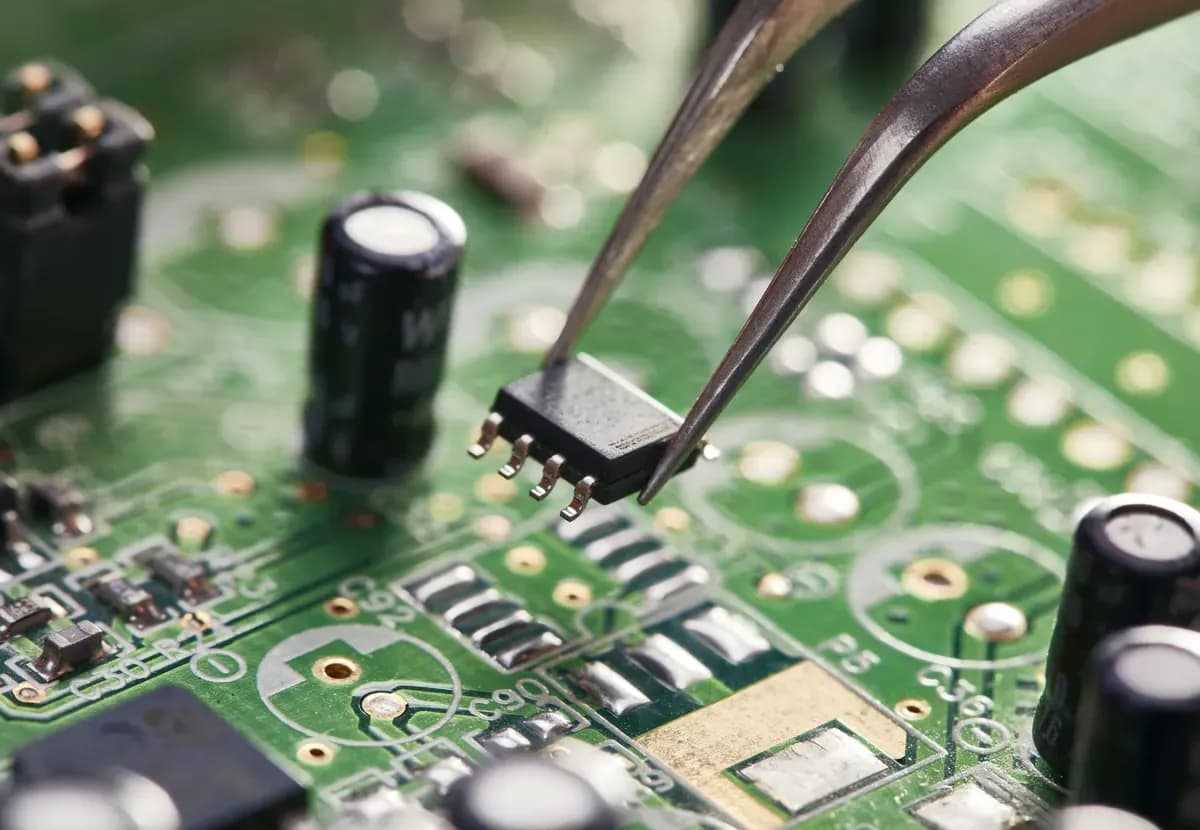
Making sure soldered connections are reliable and top-notch is a big deal in electronics manufacturing. IPC J-STD-001 sets the gold standard for this—it outlines the materials, techniques, and guidelines needed to create high-quality soldered assemblies. In this guide, we’ll…
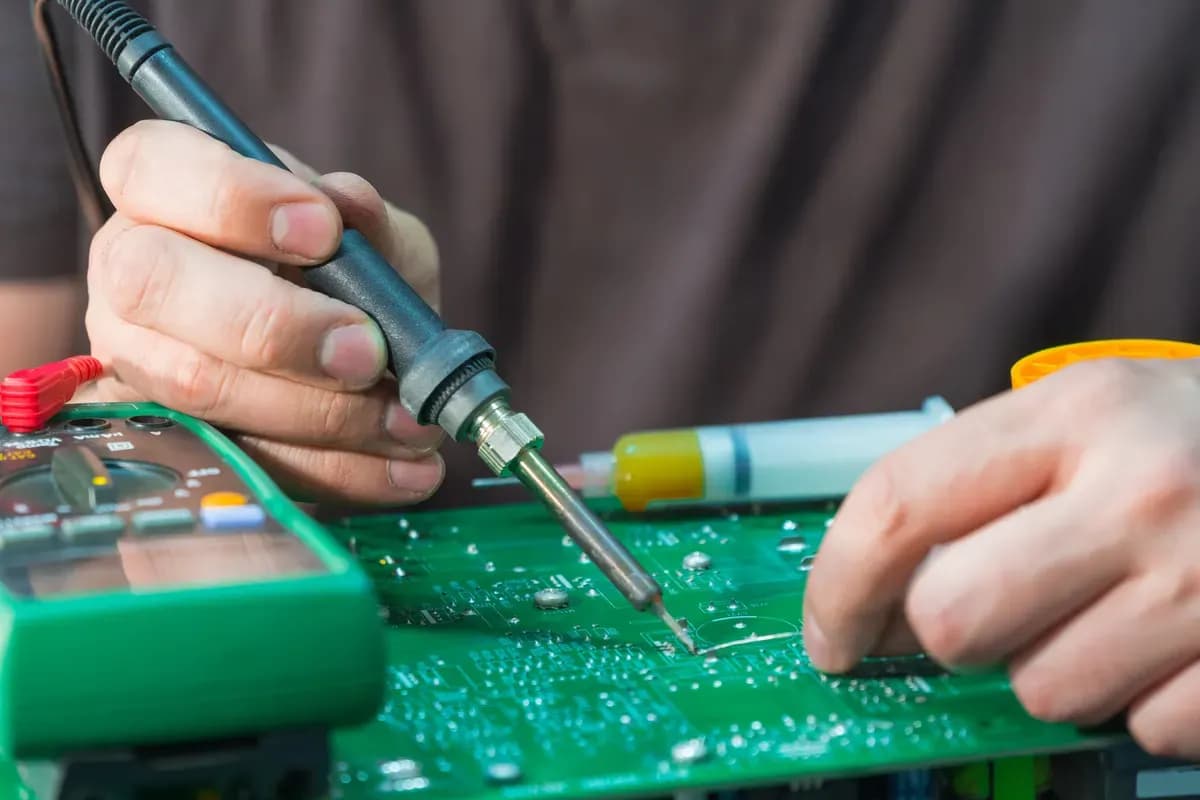
Soldering is essential in many industries, such as electronics, manufacturing, and engineering. Workers’ soldering skills must meet the industry’s standards. This is where soldering certification comes in. Let’s explore what it takes to get certified. Do You Get Soldering…
Next step
Tell us what you solder, which class you build to and how many people need it. We will map it to a standard, a level and a date.
Request a quote