Electronics manufacturers often have problems when dealing with dramatic design innovations of electronic devices. The requirements can sometimes contradict one another. For example, the product needs to be light but, at the same time, durable enough to withstand harsh environments prone to high heat and vibration.
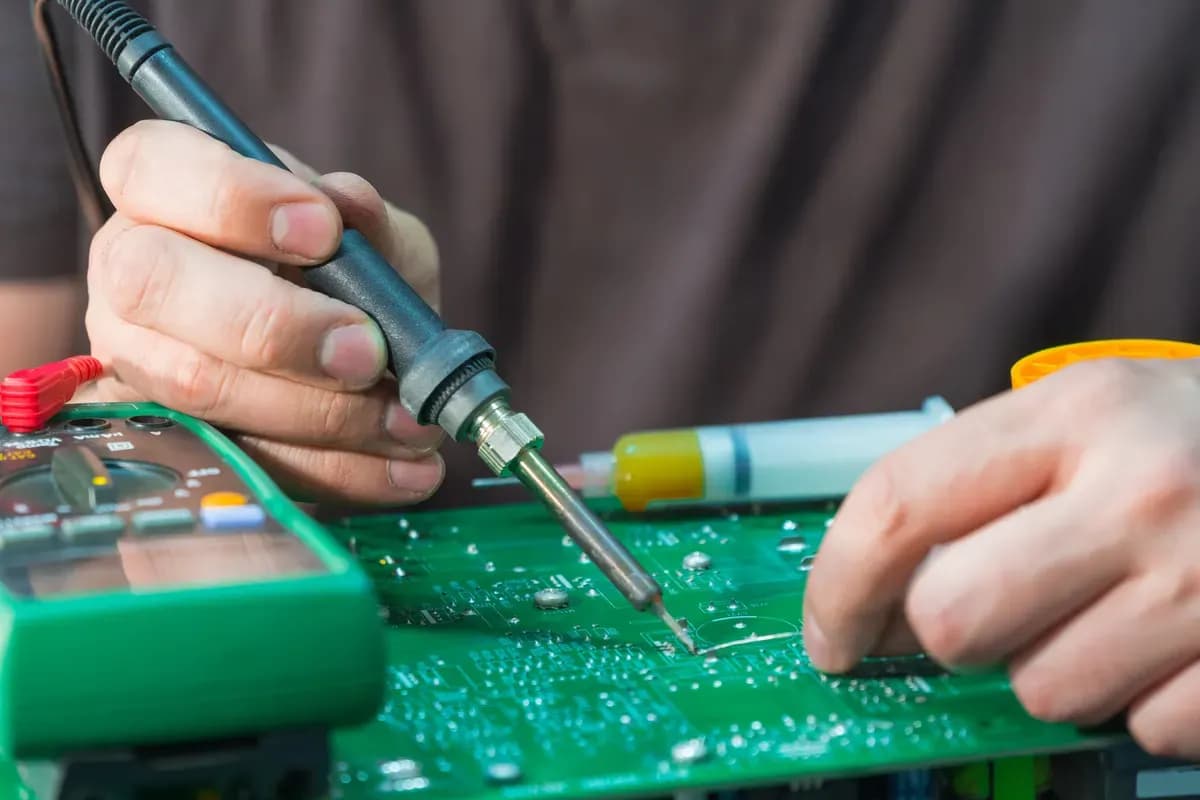
Then there’s also the case of increased manufacturing costs caused by errors with hand-built assemblies – a problem that could’ve been easily solved by investing in a soldering course. This article will discuss how Flexible PCBs automatically eliminate the issues listed above and why you should consider choosing them over traditional rigid PCBs.
What Is a Flexible PCB
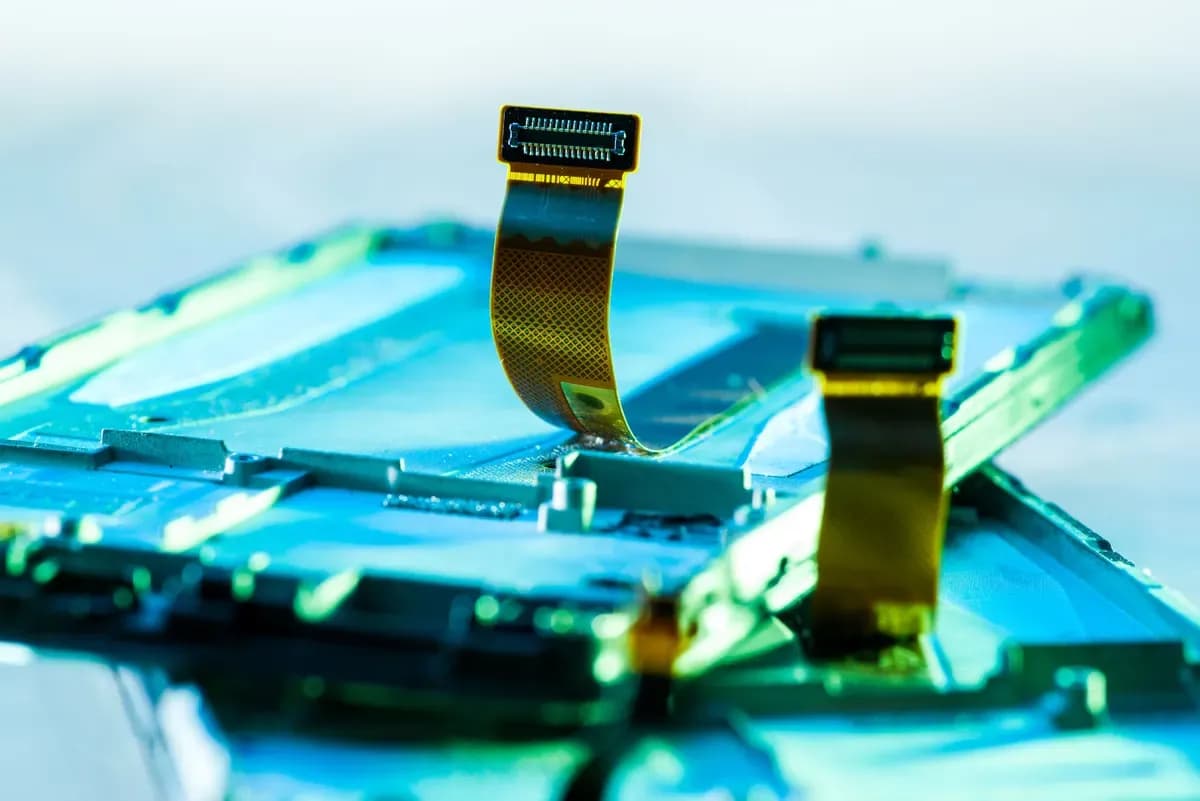
A flexible PCB is an electronic circuit assembly technology characterized by mounting an electronic device on a flexible plastic substrate material. It has more advantages compared with rigid PCBs. For one, they are thinner and lighter, but their most significant benefit is their flexibility, hence the name. Their most common applications are for aerospace, medical, and consumer electronics.
In the context of manufacturing, rigid PCBs and Flexible PCBs are virtually identical. The only difference between them is the lamination process and equipment. But in terms of function and design standards, they are practically the same.
Why You Should Go For Flex PCBs
IPC online classes at an electronic training institute address the quality and versatility of flexible PCBs, and here are the reasons why:
1. Weight Reduction
One of the more immediate advantages of flex PCBs over rigid ones is their lightness. The weight reductions could go up to 75% when compared with more conventional PCB designs. This lightness is due to the polyester or polyimide substrates
2. Durability
Because of the Flex PCB’s low mass, there’s less risk of vibration-related damage. They can also withstand high-heat conditions because of their polyimide construction. They are ideal for electronic products that require bending without breaking.
3. Cost
As is, Flex PCBs generally cost more than the rigid ones, but when you look at the bigger picture, you’ll find that you’ve reduced the total cost of ownership. Flex circuits automatically eliminate the need for some components that are usually found in rigid PCB circuits, like wire harnesses, ribbon connectors, and additional boards
Overall, flex PCBs end up being more cost-effective, with its ability to reduce the cost of connections by up to 70 percent. Moreover, the standardized construction of flexible PCBs drastically eliminates hand-built harnesses’ potential errors and eliminates the costs associated with quality inconsistency.
4. Design Sophistication
This 360-degree bendability saves board space and allows for easier installations, and is more creative with designs. Flexible PCBs enable electronics manufacturers to combine high-performance standards with sophisticated and more revolutionary designs.
Conclusion
Cost reduction, durability, improved quality, or performance of products. Flexible PCBs allow for more effective and creative ways of connecting the different modules of an electronic system.
They decrease assembly errors because of a more accurate design and a fully automated production, requiring less labor and reducing errors during production. In turn, assembly time and costs are significantly reduced, protecting your bottom line. Investing in flexible PCBs and the right combination of IPC online classes covering flexible PCB quality at an IPC Training Center allows you to position yourself as one of the leading companies in the electronics manufacturing industry.